Understanding the Importance of Pest Control in 2026
As we venture into 2026, the significance of pest control continues to escalate, not just in homes but in commercial spaces and agricultural sectors. With climate change altering habitats, pests are adapting and migrating to new areas, amplifying the need for effective pest management. Furthermore, public health concerns associated with pests, such as disease transmission and property damage, necessitate a proactive approach to pest control. Understanding pests and their management is essential for homeowners and businesses alike, ensuring safety, health, and a pest-free environment.
Effective pest control is vital for protecting our living and working spaces. When exploring options, Pest control services can provide comprehensive insights into preventing and managing infestations that can harm both health and property.
What is Pest Control and Its Necessity?
Pest control refers to the regulation or management of species classified as pests, which can include insects, rodents, and other creatures that have a negative effect on human activities. The necessity for pest control arises from the threats these pests pose to our health, safety, and the environment.
Pests can cause significant damage to structures, contaminate food supplies, and introduce disease into our homes. For instance, rodents can spread diseases such as hantavirus and leptospirosis, while insects like mosquitoes are vectors for illnesses such as West Nile virus and Zika. Thus, implementing effective pest control strategies is not only about comfort but also about safeguarding health.
Common Pests and Their Impact on Health
There are several common pests that homeowners might encounter:
- Rodents: These include mice and rats, known for contaminating food and spreading diseases.
- Insects: This category includes mosquitoes, cockroaches, ants, and termites, each bringing unique risks.
- Bed Bugs: These pests are notorious for their bites, causing itchy welts and emotional distress.
- Wasps and Bees: While bees are crucial for pollination, wasps can pose a significant allergy risk to many individuals.
Understanding the specific dangers posed by these pests can help in determining appropriate pest control measures and when to seek professional assistance.
Historical Perspective on Pest Control Methods
Pest control is not a modern concept; it has evolved significantly over the centuries. Historically, pest control methods included physical removal and the use of natural predators. The introduction of synthetic pesticides in the mid-20th century revolutionized the industry but also raised environmental concerns.
With growing awareness around ecological issues and health risks associated with chemical treatments, there is a noticeable shift toward integrated pest management (IPM) strategies. IPM utilizes a combination of biological, cultural, physical, and chemical tools to manage pest populations sustainably.
Innovative Pest Control Technologies on the Horizon
Smart Technology Integration in Pest Management
The future of pest control lies in the integration of smart technologies. Internet of Things (IoT) devices, such as smart traps and sensors, allow for real-time monitoring of pest activities. These devices can send alerts via mobile applications if pest activity is detected, enabling swift action.
Additionally, data analytics can help identify trends and predict pest outbreaks, allowing businesses and homeowners to take preventive measures before infestations occur.
Biological Pest Control: A Sustainable Approach
Biological pest control is increasingly gained importance as a sustainable alternative. This method involves using natural predators or parasites to control pest populations. For example, ladybugs can be introduced to manage aphid populations, providing an eco-friendly solution with minimal impact on the surrounding environment.
As consumers become more environmentally conscious, companies are likely to explore these natural methods as viable alternatives to chemical pesticides.
Advanced Monitoring Systems and AI Applications
Artificial Intelligence (AI) is playing a significant role in the evolution of pest control. AI systems can analyze large volumes of data from various sources, including environmental conditions and pest behavior patterns. This analysis can lead to predictive modeling, ensuring that pest control measures are applied at the most effective times.
Moreover, drones are increasingly being employed for aerial surveillance of larger areas, providing valuable insights into pest distribution and density without the need for direct human intervention.
Cost-Effective Pest Control Solutions for Homeowners
Affordable Pest Control Products
Homeowners often look for effective yet affordable pest control solutions. Many over-the-counter products can help manage common pests. These include traps, baits, and sprays, each designed for specific types of infestations.
- Traps: Sticky traps and snap traps are effective for rodents and insects.
- Baits: These contain attractants that lure pests before delivering a lethal dose.
- Natural Sprays: Solutions with diatomaceous earth or essential oils can deter pests without the use of harsh chemicals.
It’s important to assess the severity of the infestation and choose the products that are suitable for the problem at hand.
DIY Pest Control Techniques That Work
Many homeowners prefer to handle pest problems without professional assistance. DIY pest control can be effective when done with precautions. Here are some techniques that can yield good results:
- Sealing Entry Points: Thoroughly inspecting and sealing cracks and gaps can prevent pests from entering.
- Regular Cleaning: Maintaining cleanliness in kitchens and dining areas can eliminate food sources for pests.
- Essential Oils: Using peppermint, tea tree, or lavender oils can repel various insects.
Incorporating these practices into your routine can help manage pest populations effectively.
Understanding Pest Control Pricing Structures
Understanding the costs associated with pest control is crucial for homeowners. Factors influencing pricing include:
- Type of Pest: Certain pests require specialized treatments, potentially increasing costs.
- Infestation Severity: Heavily infested properties may require more extensive treatments.
- Frequency of Services: Regular maintenance contracts may offer savings compared to one-time treatments.
Getting quotes from multiple providers can help homeowners make informed decisions regarding pest control services.
Best Practices for Effective Pest Management
Regular Maintenance and Monitoring Strategies
Preventive measures are essential for effective pest control. Regular maintenance, including inspections and treatments, can help identify problems before they escalate. Homeowners should establish a routine for checking potential pest entry points, monitoring gardens, and maintaining landscaping.
Utilizing pest control services for periodic checks also ensures that any signs of infestation can be caught early, saving time and money in the long run.
Identifying Signs of Infestation Early
Being vigilant and recognizing early signs of infestation can prevent larger problems. Common indicators include:
- Droppings or urine stains
- Damage to furniture or structures
- Unusual sounds, such as scratching or scuttling
Early identification allows for timely intervention, reducing the need for more extensive treatments.
Choosing the Right Pest Control Services
Selecting the appropriate pest control service is essential for effective management. Homeowners should consider the following when making their choice:
- Experience and Credentials: Ensure the company has certified professionals with a track record of success.
- Techniques Used: Inquire about their methods, focusing on those that are environmentally friendly and sustainable.
- Reviews and Testimonials: Check previous customer experiences to gauge satisfaction and effectiveness.
By choosing wisely, homeowners can ensure they receive quality pest control solutions tailored to their specific needs.
The Future Landscape of Pest Control Regulations
Anticipated Changes in Pest Control Legislation
As pest control practices evolve, so do the regulations governing them. Future regulations may focus more on safety and environmental impact. This may include stricter guidelines on the use of chemical pesticides and an increased emphasis on integrated pest management practices.
Continuous education for pest control professionals will also be crucial to comply with updated laws and best practices.
Environmental Considerations in Pest Management
With growing environmental concerns, pest control methods are increasingly scrutinized for their ecological impact. The shift towards sustainable practices, such as biological control and organic pesticides, is becoming a standard expectation from consumers, leading companies to adapt accordingly.
The incorporation of eco-friendly pest control methods not only benefits the environment but also aligns with consumer demand for safer home solutions.
Educating the Public on Safe Practices
Public education is essential for fostering a better understanding of pest control. Awareness campaigns can inform communities about the importance of pest management, the health risks associated with pests, and the most effective prevention strategies. By empowering individuals with knowledge, the spread of misinformation can be reduced, leading to a more proactive approach towards pest control.
What are the most common pests affecting homes?
Some of the most common pests affecting homes include rodents like mice and rats, insects such as ants and cockroaches, bed bugs, and termites. Each of these pests can cause significant health issues or property damage if left uncontrolled.
How can I effectively prevent pest infestations?
Preventing pest infestations can be achieved through regular maintenance, proper sanitation, sealing entry points, and utilizing traps or natural repellents. Staying proactive is key to an effective pest control strategy.
What technologies are changing the pest control industry?
Technologies such as IoT devices for monitoring, AI for data analysis and predictive modeling, and drones for surveillance are revolutionizing the pest control industry. These advancements create more efficient and effective pest management strategies.
Are DIY pest control methods effective?
DIY pest control methods can be effective for minor infestations. Using traps, natural repellents, and preventive measures can manage small problems. However, for significant infestations, professional intervention is often necessary.
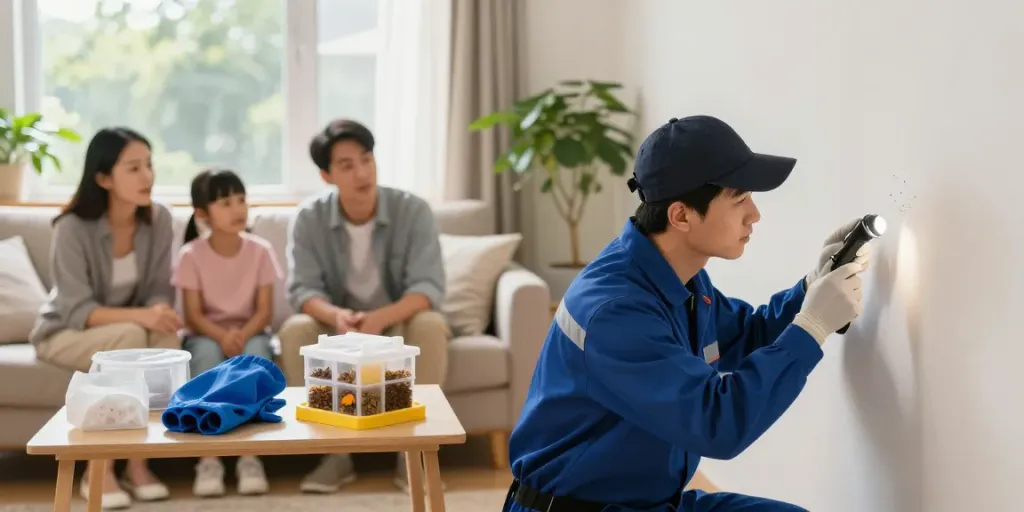
What should I expect from a professional pest control service?
When hiring a professional pest control service, expect a thorough inspection, an assessment of the pest problem, and a detailed treatment plan. They should explain their methods, provide estimates, and offer follow-up visits if necessary to ensure the problem is resolved.