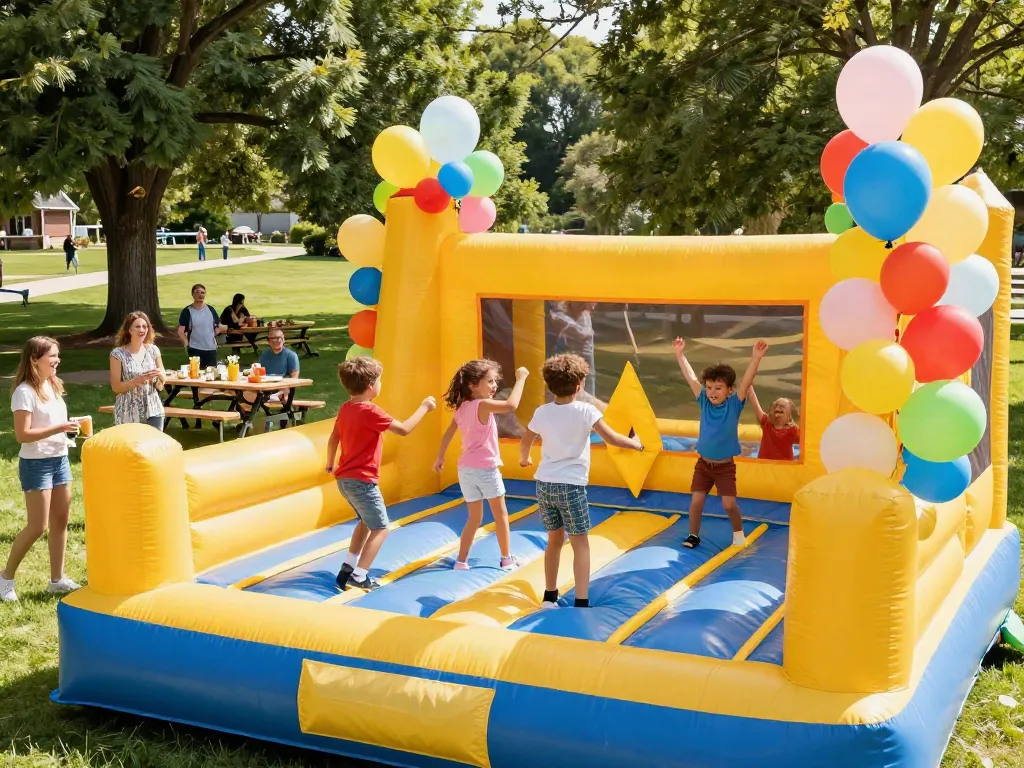
Understanding Bounce Houses: Types and Uses
Bounce houses have become synonymous with childhood joy and excitement, serving as portable play areas that captivate the imagination of kids and provide a perfect setting for fun-filled gatherings. These inflatable structures not only offer hours of entertainment but also promote physical activity. When exploring options, bounce house selections can vary widely, catering to different age groups, event sizes, and themes, making them an essential element for parties and events.
What is a Bounce House?
A bounce house, often termed an inflatable bouncer or jumpy castle, is a large inflatable structure designed for children to jump and play in. Made from durable, air-filled materials, these structures require inflation through a blower and can be set up in both indoor and outdoor environments. Typically, they feature various designs, including castles, animals, and slides, enhancing their appeal and providing themed enjoyment for kids.
Types of Bounce Houses Available
- Standard Bounce Houses: Basic models designed primarily for jumping.
- Combo Units: These combine bounce areas with slides or obstacle courses.
- Water Bounce Houses: Ideal for summer parties, featuring water slides and splash areas.
- Interactive Bounce Houses: Equipped with games and activity challenges, making them perfect for parties and events.
Common Use Cases for Bounce Houses
Bounce houses are versatile and can be used for various occasions, including:
- Birthday Parties: A staple attraction that adds joy to any child's birthday celebration.
- Community Events: Often seen at fairs, festivals, and local gatherings.
- School and Church Events: Used to promote fun and physical activity among students and congregation members.
- Family Reunions: They provide entertainment for children while adults socialize.
Key Features to Consider When Choosing a Bounce House
Choosing the right bounce house involves careful consideration of several key features to ensure safety and enjoyment. Understanding these factors will help you make an informed decision that best fits your needs.
Safety Features and Regulations
Safety should always be the top priority when selecting a bounce house. Look for:
- Reinforced Seams: Ensure the seams are reinforced for longer durability.
- Safety Netting: Quality bounce houses come with safety netting around the perimeter to prevent falls.
- Inflatable Entrance: Many models include an inflatable ramp or entrance for safe access.
- Water Resistance: For water bounce houses, ensure they are made from water-resistant materials.
Size and Space Requirements for Setup
Before purchasing or renting a bounce house, measure the available space. Factors to consider include:
- Height Restrictions: Consider indoor ceiling heights for safe setup.
- Ground Space: Ensure there is enough room around the bounce house for safe play.
- Weight Limit: Check the manufacturer's guidelines for weight limits to avoid overloading the structure.
Material Quality and Durability Factors
High-quality materials enhance the lifespan of your bounce house. Look for models made from:
- Commercial-Grade Vinyl: Known for its durability, it withstands repeated use.
- UV Resistance: This feature prevents fading and degradation from sun exposure.
- Easy-to-Clean Materials: Bounce houses should be easy to wipe down and sanitize, especially for public use.
Setting Up Your Bounce House for Optimal Use
Proper setup of your bounce house ensures that children can enjoy it safely and effectively. Here are essential tips for a successful setup.
Choosing the Right Location
Placement is crucial for a safe and enjoyable experience. Consider the following:
- Flat, Level Ground: Ensure the area is even to avoid tipping.
- Away from Obstacles: Keep the bounce house away from trees, fences, and other hazards.
- Sufficient Airflow: Place it in an area with good airflow to maintain proper inflation.
Safety Measures for Setup
When setting up, safety measures are essential:
- Secure Anchoring: Use appropriate weights or stakes to secure the bounce house against wind.
- Regular Inspections: Check for any tears or damage before use.
- Adult Supervision: Ensure adults are present to oversee the play and enforce rules.
Maintenance Tips for Longevity
Regular maintenance prolongs the life of your bounce house:
- Clean After Each Use: Wipe down surfaces to prevent dirt and mold accumulation.
- Store Properly: Ensure it is completely dry before storing to prevent mildew.
- Regular Checks: Inspect seams and materials for wear and tear periodically.
Bounce House Rentals vs. Purchases: What’s Best for You?
Deciding whether to rent or purchase a bounce house is a common dilemma. Both options have distinct advantages depending on your needs.
When to Rent a Bounce House
Renting is often the best choice for those planning occasional events. Consider renting if:
- Infrequent Use: You only host parties or events a few times a year.
- Variety Needs: You prefer different themes or styles for various events.
- Space Limitations: You lack space for permanent storage.
Benefits of Buying Your Bounce House
If you're an avid host, investing in a bounce house might be worthwhile:
- Cost-Effective Over Time: Frequent use justifies the purchase price.
- Customization Options: Personalize your bounce house according to your preferences.
- Availability: Own it whenever you want without worrying about rental availability.
Cost Comparison and Budget Planning
When considering costs, evaluate both options:
- Rental Costs: Typically range from $100 to $300 for a single-day rental, depending on size and features.
- Purchase Costs: Prices can vary significantly, from $300 for smaller models to $3,000 or more for commercial-grade options.
- Maintenance Costs: Factor in ongoing costs for maintenance, cleaning supplies, and storage for a purchased bounce house.
Future Trends in Bounce Houses: What to Expect by 2026
The bounce house industry is evolving with new technologies and designs. Anticipating these trends can help you stay ahead in terms of quality and entertainment.
Innovations in Design and Features
Expect to see more innovative designs that incorporate:
- Interactive Technology: Video game elements integrated into bounce houses for enhanced engagement.
- Customizable Features: Options for personalization with themes and colors to match events.
- Expandable Structures: Modular designs that can expand or contract based on available space.
Eco-Friendly Materials and Sustainability
As environmental concerns rise, manufacturers are likely to focus on:
- Biodegradable Materials: Using materials that are less harmful to the environment.
- Energy-Efficient Designs: Bounce houses that utilize less energy during setup and maintenance.
The Role of Technology in Bounce House Safety
Safety technology advancements are inevitable, with future potential including:
- Smart Sensors: Sensors that monitor capacity and alert if the bounce house is overloaded.
- Mobile Apps: Applications to track usage and maintenance schedules.
What are the safety features in modern bounce houses?
Safety features include reinforced seams, safety netting, inflatable entrances, and water-resistant materials to secure children during play.
How do I choose the right size bounce house for my event?
Consider the number of participants, available space, and weight limits outlined by the manufacturer to select an appropriately sized bounce house.
What maintenance is required for a bounce house?
Regular cleaning, inspection for damages, and proper storage techniques are essential for maintenance.
Are there eco-friendly options for inflatable bounce houses?
Yes, some manufacturers offer bounce houses constructed from biodegradable materials and energy-efficient designs.
How does a bounce house rental work?
Renting typically involves selecting a model, coordinating delivery and setup, and following guidelines for safe use.